AI-powered design systems are rapidly redefining how large organizations build, govern, and scale user experience. As enterprise product ecosystems grow more complex, traditional design systems struggle to maintain consistency, accessibility, and development velocity. This is where AI in design systems becomes a strategic advantage, transforming static libraries into intelligent, adaptive platforms built for enterprise UX at scale.
Organizations investing in modern Design System Services are increasingly exploring AI as a way to automate governance, improve accessibility, and create more scalable digital experiences.
For enterprises managing multiple products, distributed teams, and regulatory requirements, AI-powered design systems for scalability are no longer experimental. They are becoming foundational infrastructure.
Why Enterprise Design Systems Break Down at Scale
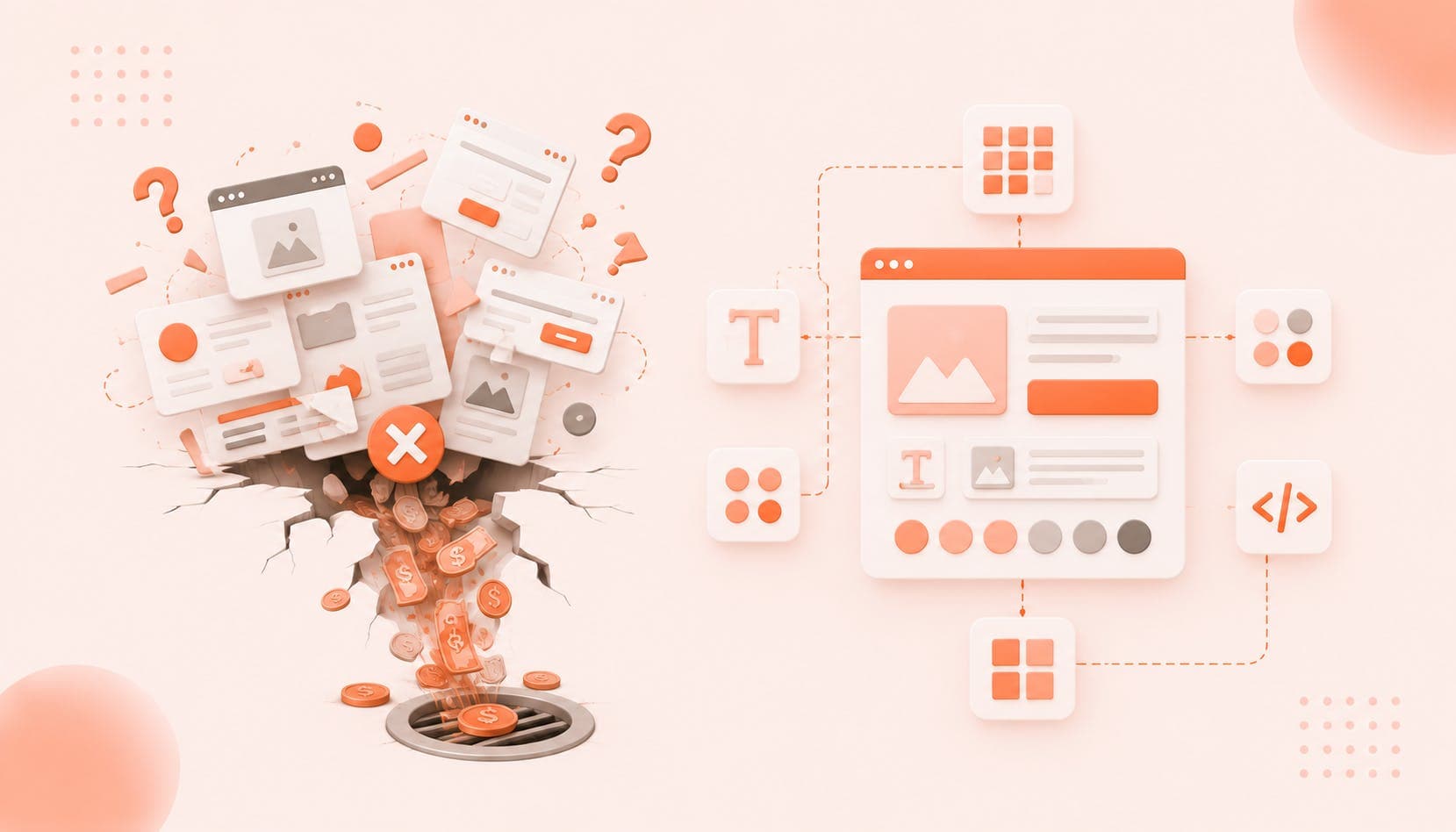
Most enterprise design systems fail not because of poor design, but because they cannot adapt to real-world usage across large organizations.
Common enterprise challenges include:
- Inconsistent UI implementation across teams and regions
- Manual governance that cannot scale with product velocity
- Accessibility issues discovered too late in the lifecycle
- Design debt caused by uncontrolled component variation
- Limited insight into how the system performs in production
As product portfolios expand, these problems compound. Without intelligence and automation, even well-documented systems become outdated. Enterprises often rely on specialized Software Engineering Services and technical leadership to ensure systems evolve alongside growing product ecosystems.
What Makes AI-Powered Design Systems Different
Unlike traditional systems, intelligent design systems continuously learn from usage patterns, performance metrics, and user outcomes.
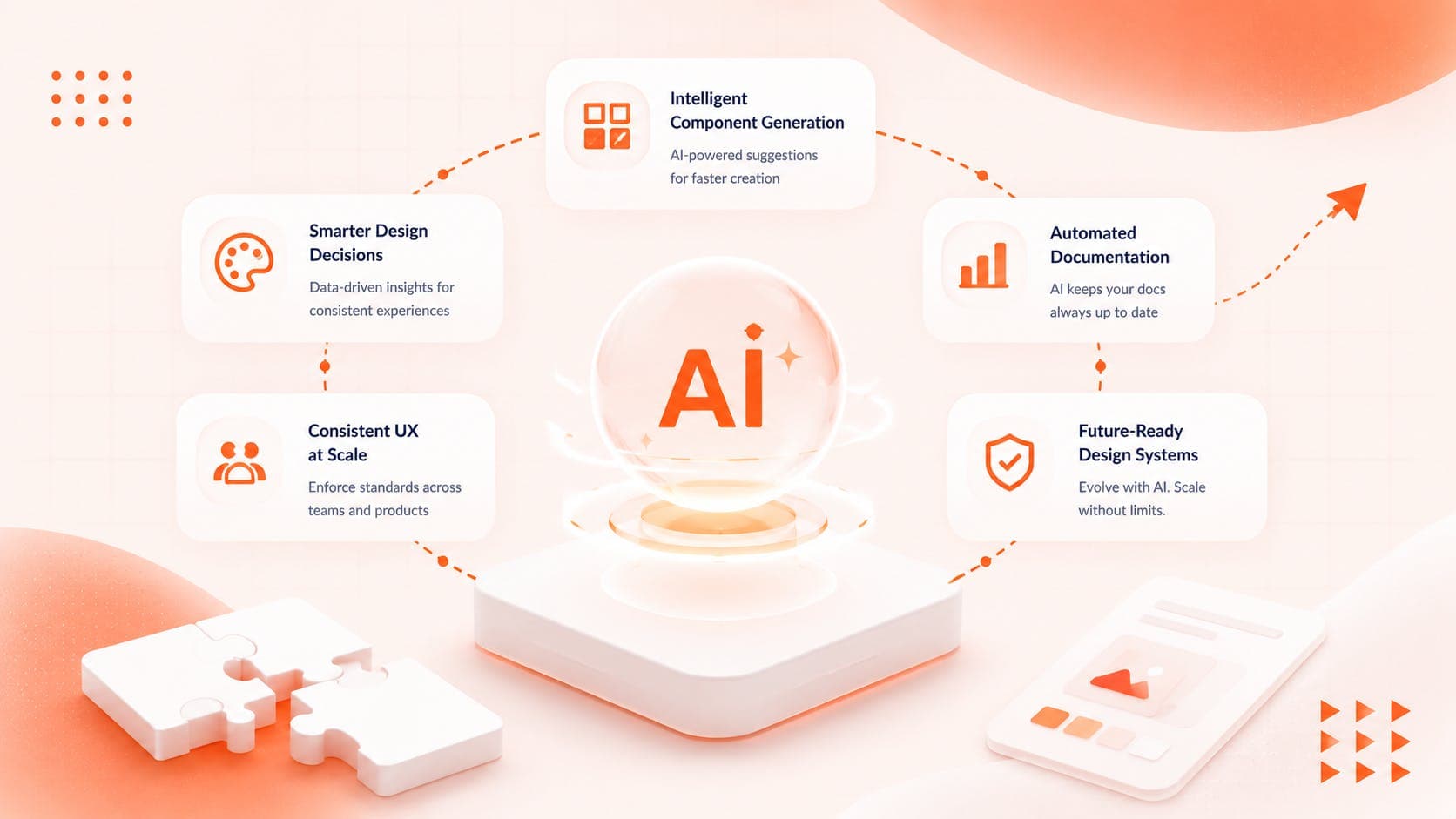
AI-powered design systems combine rules, data, and automation to support:
- AI-driven UX design recommendations
- Automated detection of design inconsistencies
- Continuous accessibility validation
- Predictive insights into component effectiveness
- Scalable design governance and compliance
Instead of enforcing standards through documentation alone, AI embeds standards directly into workflows, making consistency the default.
This approach aligns with how leading design systems such as Google's Material Design and IBM's Carbon Design System continue evolving to support increasingly complex digital ecosystems.
Traditional vs AI-Powered Design Systems
| Capability | Traditional Design Systems | AI-Powered Design Systems |
|---|
| Consistency | Manual reviews | AI-driven consistency in enterprise design |
| Accessibility | Periodic audits | AI for accessibility in design systems |
| Scalability | Degrades with growth | Systems improve through usage data |
| Governance | Human-dependent | AI-driven governance and compliance |
| Maintenance | Reactive updates | Automated monitoring and optimization |
This evolution closely mirrors how organizations approach scalable software architecture, operational efficiency, and digital transformation initiatives.
AI for Accessibility in Design Systems
Accessibility is one of the highest-impact areas for AI design automation.
AI enables:
- Real-time contrast, typography, and layout validation
- Automated semantic and ARIA checks
- Early detection of accessibility regressions
- Prioritized fixes based on real user impact
For large organizations, AI in design systems reduces compliance risk while improving usability for all users, turning accessibility into a continuous quality signal rather than a last-minute audit.
Teams can leverage standards from the Web Content Accessibility Guidelines and WAI-ARIA specifications while using AI to automate enforcement across products and platforms.
AI-Driven UX Design Without Slowing Teams Down
One of the biggest promises of AI for UX design is increased speed without sacrificing quality.
AI-powered systems help teams by:
- Recommending the right components for context and intent
- Preventing redundant variants before they spread
- Aligning design tokens automatically with brand and accessibility requirements
- Flagging deviations early in design and development
This enables AI-enhanced UX design for enterprises, where teams move faster while remaining aligned with system standards.
Organizations integrating AI into their workflows often pair design systems with broader AI Automation Services to create more intelligent and efficient product development processes.
Design Governance That Scales With the Enterprise
Governance is where most enterprise design systems struggle.
AI-powered design systems differ from traditional systems most significantly in how governance is handled. AI introduces:
- Policy-aware automation embedded within design and development tools
- Automated approvals for low-risk changes
- Intelligent escalation only when meaningful deviations occur
- Data-backed insights for design system owners
Strong governance often requires collaboration between design leaders and technical decision-makers. Many enterprises support this effort through strategic CTO Services that align design operations with broader business objectives.
Examples such as the U.S. Web Design System demonstrate how governance frameworks can scale across large and highly regulated environments.
AI in Product Design as Business Infrastructure
At scale, AI in product design connects UX decisions directly to business outcomes.
AI-powered design systems can:
- Correlate design patterns with conversion and engagement metrics
- Identify UX inconsistencies that increase support costs
- Reduce rework across engineering and QA teams
- Improve delivery speed across multi-product platforms
For organizations operating complex portfolios, AI design systems transform UX into a measurable and optimizable business asset.
Combined with modern DevOps Services, AI-powered systems can accelerate delivery while maintaining consistency across products, regions, and teams.
Risks of Ignoring AI in Design Systems
Enterprises that delay adoption face increasing risk:
- Growing design debt and system fragmentation
- Higher accessibility and compliance exposure
- Slower delivery compared to AI-enabled competitors
- Burnout within central design system teams
- Increased maintenance costs as systems scale
These risks compound in the same way other organizational challenges do when systems are not designed for long-term growth and adaptability.
The Future of Enterprise UX With AI
The future of enterprise UX with AI is adaptive, intelligent, and deeply operational.
AI-powered design systems will continue evolving into living systems capable of automatically maintaining consistency, enforcing accessibility standards, and scaling governance across global teams.
For enterprise leaders, the question is no longer whether AI belongs in design systems. The question is how quickly organizations can adopt AI-driven design systems to remain competitive.
AI is not replacing design systems - it is making them capable of operating at true enterprise scale.
Organizations looking to build intelligent, scalable design systems can explore Beyond Labs' Design System Services, AI Automation Services, and Software Engineering Services. You can also review successful implementations across industries through the company's Case Studies or connect with the team through the Contact Page.