Cost-Saving Techniques Every Product Development Team Should Use
Cut development costs by up to 30% with lean methods, MVPs, automation, and smart outsourcing. Learn seven proven techniques to build faster and cheaper without losing quality.
Introduction
When Budgets Got Tight, We Had to Rethink Everything
In early 2023, our software team was in a tough spot. The product we had been building for months was taking longer than expected and costing more than we had planned. The team was stretched thin, and deadlines kept slipping.
One afternoon, during a team meeting, our CTO laid it out plainly: We had to make changes to the way we worked, or we wouldn’t be able to continue the project at all. That moment marked the beginning of a new approach, one that helped us complete the product and cut development costs by 30%.
Here’s what we did, step by step, and how it might help your team, too.
1. We Shifted to Lean Development
Our first step was adopting Lean Software Development. That meant stepping back and evaluating everything we were doing to find what really mattered and what didn’t.
We found a number of things we could remove or simplify: unnecessary features, too many meetings, repeated work. Lean principles helped us focus on delivering value without the extra steps.
What We Focused On:
- Eliminating Waste
We stopped working on things that didn’t clearly benefit users. - Speeding Up Feedback
We stopped working on things that didn’t clearly benefit users. - Simplifying Processes
We made our workflows clearer and easier to follow.
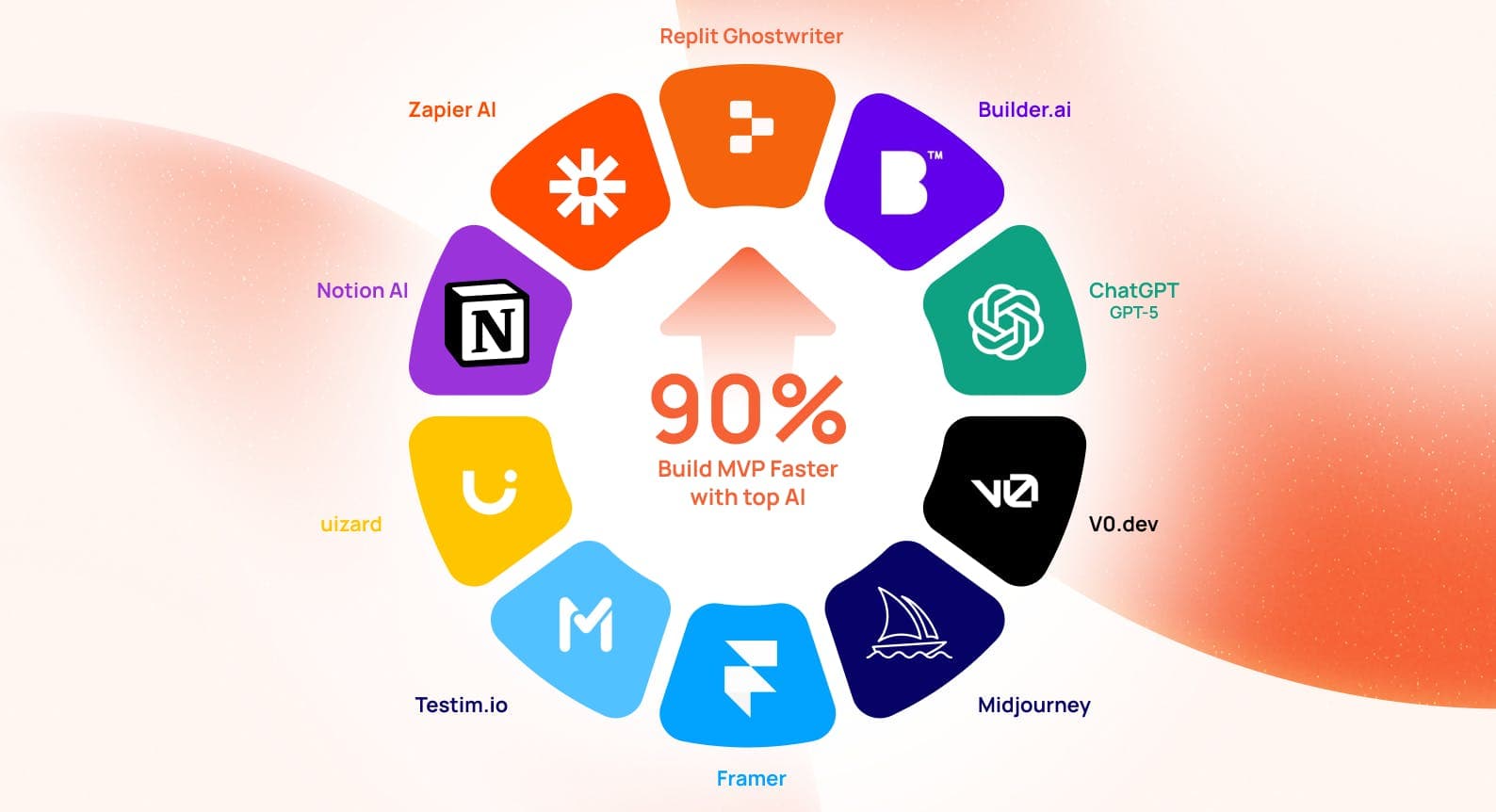
2. We Started with a Minimum Viable Product (MVP)
Rather than trying to build everything at once, we focused on the core features our users needed. We built a Minimum Viable Product (MVP), a smaller version of the product with just the basics.
This approach lets us test ideas early and make sure we are heading in the right direction before spending more time and money.
Benefits:
- Faster Launch
We released something useful quickly. - User Feedback Early
Real users helped shape the product. - Focused Development
We avoided building features that didn’t add value.
3. We Introduced CI/CD to Improve Delivery
Manual testing and deployment were slowing us down. We set up Continuous Integration and Continuous Deployment (CI/CD) to automate those parts of our process.
This allowed us to catch bugs early, release updates more often, and reduce the time spent on repetitive tasks.
What Improved:
- Fewer Errors:
Issues were caught automatically during development. - Faster Updates
We released new features more regularly. - Better Collaboration
Developers had more confidence and clearer workflows.
4. We Used Open-Source Tools
To lower software costs and speed up development, we turned to open-source tools. We used platforms like React Native and Node.js, which offered strong functionality without licensing fees.
What We Gained:
- Cost Savings
We avoided paying for expensive tools. - Helpful Communities
We found support, examples, and plugins online. - Flexibility
We could adjust tools to meet our needs.
5. We Automated Testing
Testing took a lot of time, especially when done manually. We switched to automated testing, which made it easier to check for issues and ensured consistent results.
Key Advantages:
- Faster Feedback
Tests ran automatically with every update. - Reliable Releases
Fewer problems after deployment. - Time Saved
Less manual work for the QA team.
6. We Adopted Agile Workflows
We moved away from long development cycles and adopted Agile. This allowed us to work in shorter, more manageable sprints and adjust plans based on new information or feedback.
What Helped Most:
- Clear Priorities
Everyone knew what we were working on each week. - Regular Check-ins
We stayed aligned through stand-ups and retrospectives. - Ongoing Improvements
We learned from each cycle and made small adjustments.
7. We Outsourced Select Tasks
To make the best use of our team’s time, we outsourced certain non-core tasks. For example, we worked with external partners for things like design and customer support tools.
Why It Worked:
- Better Focus
Our developers worked on th7. We outsourced Select Task's core product. - Scalable Help
We brought in support when needed without long-term hires - Managed Costs
We paid only for the work we needed.
Final Thoughts: A Smarter Way to Build
Looking back, the changes we made weren’t drastic; they were practical. We took a close look at how we worked, made small improvements, and stayed committed to doing things better.
By focusing on value, simplifying our approach, and using the right tools, we built a more efficient and cost-effective development process.
If you’re in a similar situation, with tight budgets, slipping timelines, consider starting with just one of these steps. Over time, small changes can make a big difference